Weather Alerts, Safety Tips, and What You Need to Know
What is an Extreme Cold Watch?
An Extreme Cold Watch is a formal alert issued by weather agencies to indicate that life-threatening cold conditions are possible within the next 12–48 hours.
Difference Between Watch, Warning, and Advisory
Watch: Conditions are favorable for extremely cold temperatures, but timing and location are not certain. Prepare and stay informed.
Warning: Extreme cold is expected or occurring. Take immediate precautions to protect life and property.
Advisory: Cold conditions are less severe but could still pose minor risks, such as frostbite or travel disruptions.
By understanding the distinctions, residents can plan appropriately, avoid unnecessary risks, and ensure safety.
Regions Affected
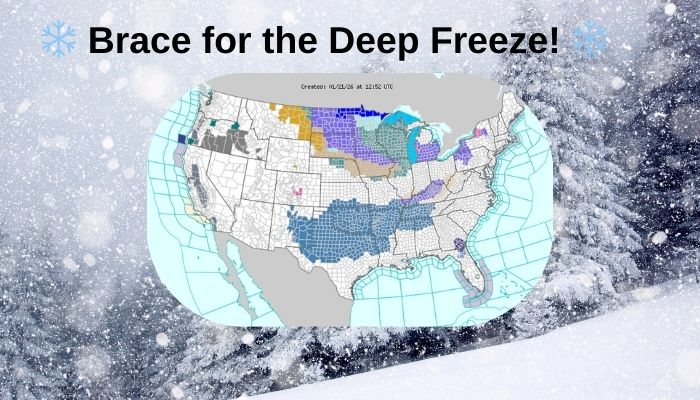
Extreme Cold Watches are usually issued in areas prone to sub-zero temperatures, polar air outbreaks, or high wind chills.
Current reports for 2026 indicate that regions such as:
Northern and central parts of the U.S. and Europe
Mountainous and high-altitude areas
Northern and central Asia
…are at higher risk of extremely low temperatures over the next few days. Local authorities often provide detailed maps and alerts to help residents understand the geographic scope of the cold watch.
Health Risks of Extreme Cold
Extreme cold is not just uncomfortable—it can be deadly. Some of the major health risks include:
1. Hypothermia
Occurs when body temperature drops below 35°C (95°F). Symptoms include shivering, confusion, slow breathing, and loss of consciousness. Immediate medical attention is critical.
2. Frostbite
Freezing of skin and underlying tissues, often affecting fingers, toes, ears, and nose. Signs include pale or blue skin, numbness, and hard or waxy skin. Severe frostbite can lead to permanent tissue damage.
3. Cold-Related Illnesses
Prolonged exposure can worsen chronic illnesses like heart disease, asthma, and diabetes. Cold air can also trigger respiratory infections.
Safety Tips for Individuals
During an Extreme Cold Watch, personal precautions are essential:
Dress in Layers – Wear thermal undergarments, sweaters, insulated jackets, gloves, hats, and scarves.
Limit Outdoor Exposure – Avoid prolonged activities outside, especially during night or early morning.
Stay Dry – Wet clothing increases heat loss. Keep your hands, feet, and head dry.
Warm Up Frequently – Take regular breaks indoors if you must be outside.
Eat and Drink Properly – High-calorie foods and warm fluids help maintain body temperature.
Safety Tips for Families and Pets
Extreme cold impacts everyone, including vulnerable family members and animals:
Children and Elderly
Keep them indoors as much as possible.
Ensure homes are heated adequately, and rooms are insulated.
Monitor for signs of hypothermia or frostbite.
Pets
Provide warm shelters and avoid prolonged outdoor exposure.
Check paws for frostbite and keep water unfrozen.
Feed extra calories if animals are active outdoors.
Travel and Transportation Advisory
Extreme cold often brings icy roads, snow, and reduced visibility, making travel hazardous.
Avoid unnecessary travel when an Extreme Cold Watch is in effect.
Drive slowly on icy roads and leave extra space between vehicles.
Keep an emergency kit in your car: blankets, food, water, and a first-aid kit.
Be aware of train and flight delays, which may occur during severe cold events.
Home and Property Preparation
Proper preparation at home can prevent damage and improve safety:
Insulate Pipes to prevent freezing and bursting.
Seal Windows and Doors to retain heat.
Check Heating Systems to ensure efficient operation.
Stock emergency supplies: food, water, blankets, batteries, and a first-aid kit.
Avoid using outdoor generators indoors, as they produce deadly carbon monoxide.
Emergency Preparedness
Extreme cold events can escalate quickly. Here’s how to stay prepared:
Stay Updated – Follow local weather updates and emergency alerts.
Know Emergency Contacts – Keep numbers for local authorities, hospitals, and neighbors.
Have a Plan – Identify safe shelters or warming centers in your area.
Assist Vulnerable Neighbors – Check on elderly or disabled residents regularly.
Climate Context: Why Extreme Cold Happens
Even in a warming world, extreme cold events occur due to natural and atmospheric patterns, such as:
Polar vortex disruptions – Cold Arctic air moves southward.
Jet stream fluctuations – Allowing frigid air to reach temperate regions.
La Niña or other oceanic cycles – Affecting temperature patterns globally.
Scientists note that while global warming increases average temperatures, it can paradoxically increase the severity of some extreme cold events.
Impact on Communities and Economy
Extreme cold affects communities in multiple ways:
Energy Demand – Higher electricity and heating demand can strain power grids.
Public Services – Snow removal, emergency response, and healthcare services face increased pressure.
Economic Disruptions – Transport delays, business closures, and agricultural impacts can occur.
Being prepared not only protects lives but also reduces economic and social disruptions.
Conclusion
The Extreme Cold Watch 2026 serves as a critical warning to residents and authorities about impending dangerous temperatures. By understanding the alert, taking proper safety measures, and staying informed, families can protect themselves, their homes, and their pets from the harsh effects of extreme cold.
Remember:
Dress warmly and limit exposure
Prepare your home and vehicles
Stay informed through official weather sources
Assist vulnerable neighbors and pets
With proper preparation, the Extreme Cold Watch can be a life-saving alert, allowing everyone to safely navigate severe winter conditions.
