How Families Can Cut Energy Bills and Upgrade Homes
With energy prices continuing to rise and fuel poverty affecting millions of households across the UK, the government has launched an ambitious initiative: the Warm Homes Plan 2026. Valued at £15 billion, this plan is set to become the largest home energy upgrade program in British history, aiming to reduce energy bills, improve home efficiency, and support the UK’s net-zero climate commitments.
The Warm Homes Plan comes at a time when families are struggling with winter heating costs, and the government is keen to ensure that all households can access affordable, energy-efficient solutions. From solar panels to insulation and heat pumps, this initiative is expected to transform the way energy is used in British homes.
Background: The UK Energy Crisis and Fuel Poverty
The UK energy market has faced significant challenges over the last decade. Increasing global energy prices, supply constraints, and the need to transition away from fossil fuels have all contributed to rising household energy bills. According to recent estimates, over four million UK households are at risk of fuel poverty, defined as spending more than 10% of household income on energy.
High energy bills disproportionately affect low-income families, the elderly, and tenants in poorly insulated housing. Many homes still rely on outdated gas boilers, inefficient heating systems, and lack sufficient insulation. The Warm Homes Plan is the government’s direct response to this growing challenge, providing both financial support and technical assistance to upgrade homes.
The Warm Homes Plan Explained
The Warm Homes Plan 2026 is designed to deliver a comprehensive approach to energy efficiency. Its key components include:
- Government-Backed Loans for Homeowners
- Low- and zero-interest loans will allow homeowners to install energy-saving technologies such as solar panels, heat pumps, and energy storage batteries.
- These loans are designed to be affordable, enabling families to invest in clean energy without immediate financial strain.
- Free Upgrades for Low-Income Households
- Vulnerable families, particularly those in fuel poverty, may receive fully funded upgrades.
- This includes insulation, window replacements, and modern heating systems.
- Support for Social Housing and Renters
- The plan emphasizes that all types of housing, including rented and social housing, benefit from energy efficiency improvements.
- Landlords are encouraged to meet minimum energy standards to qualify for government incentives.
- Technology Upgrades
- Installation of solar panels and batteries to reduce reliance on the grid.
- Heat pumps and modern heating systems to replace inefficient boilers.
- Improved insulation for walls, roofs, and floors to retain heat.
Eligibility: Who Can Benefit?
The Warm Homes Plan is structured to ensure maximum reach across different household types:
- Homeowners – Eligible for government-backed loans for renewable and energy-saving upgrades.
- Low-income families – Can access fully funded installations, ensuring no upfront costs.
- Renters and social housing tenants – Benefit indirectly through incentives for landlords to improve energy efficiency.
By targeting all households, the plan ensures that no one is left behind, especially during colder months when heating costs can be crippling.
Impact on Energy Bills
One of the primary goals of the Warm Homes Plan is to reduce household energy costs. Experts predict that families participating in the program could save hundreds of pounds per year on electricity and heating.
The savings come from:
- Reduced reliance on grid electricity thanks to solar and battery storage.
- Lower heating costs due to insulation and efficient heat pumps.
- Government-backed loans allowing families to upgrade without significant financial burden.
The government estimates that the average household could reduce its annual energy bill by £150–£400, depending on the size of the home and the technology installed.
Technology Upgrades: Solar, Heat Pumps, and Insulation
The Warm Homes Plan emphasizes modern energy solutions:
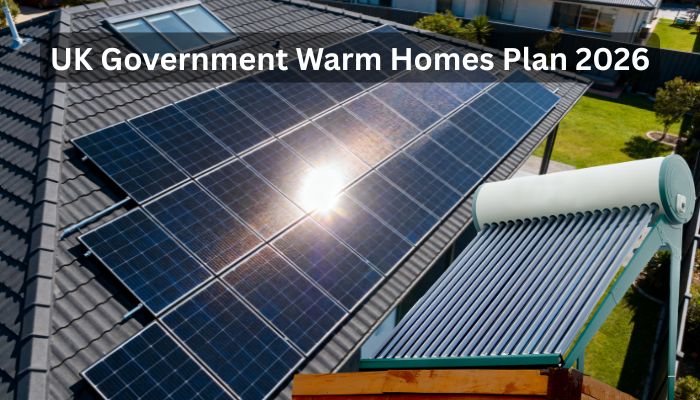
- Solar Panels and Battery Storage
- Solar panels generate electricity directly from sunlight, lowering reliance on expensive grid power.
- Batteries store excess energy for use during peak hours, further reducing costs.
- Heat Pumps
- Heat pumps are highly efficient, providing heating and hot water while consuming less energy than traditional boilers.
- This technology supports the UK’s transition to low-carbon heating solutions.
- Insulation Improvements
- Upgrading insulation prevents heat loss and keeps homes warmer in winter.
- Wall, roof, and floor insulation are included in both free upgrades and loan-supported installations.
Climate and Net Zero Goals
The Warm Homes Plan aligns with the UK’s net-zero emissions target by 2030:
- Promotes renewable energy adoption in residential homes.
- Reduces reliance on fossil fuels like gas and coal.
- Supports government objectives to decarbonize housing while lowering energy costs.
By combining financial incentives with technological upgrades, the plan addresses both economic and environmental challenges simultaneously.
Criticism and Challenges
While the Warm Homes Plan has been widely praised, some critics have raised concerns:
- Implementation and Speed
- Critics worry that bureaucracy could slow deployment, leaving families waiting longer for upgrades.
- Insufficient Incentives for Some Households
- Some experts argue that low-income families in privately rented homes may not benefit fully if landlords do not participate.
- Meeting Net Zero Ambitions
- While the plan encourages renewable adoption, some environmentalists argue that mandatory insulation or boiler replacement may be needed to achieve full climate goals.
Economic and Job Benefits
Beyond helping families, the Warm Homes Plan is expected to stimulate the UK economy:
- Thousands of jobs in construction, renewable energy, and manufacturing will be created.
- Increased demand for solar panels, heat pumps, and insulation will support green industries.
- Training programs will upskill workers in energy efficiency technologies.
The plan is therefore not just an energy initiative, but also a major economic stimulus in line with the UK’s green recovery agenda.
How to Apply and Get Started
Families and homeowners can participate by:
- Visiting the official government website for the Warm Homes Plan.
- Checking eligibility for free upgrades or government-backed loans.
- Booking assessments to identify necessary improvements.
- Installing approved technologies through government-certified contractors.
Participation is designed to be simple and accessible, with guidance provided for households unfamiliar with energy technology options.
Future Outlook
The Warm Homes Plan is expected to roll out in phases, starting with priority households in fuel poverty, followed by broader implementation for all UK homeowners.
- Government projections indicate up to 5 million homes could be upgraded by 2030.
- Adoption of heat pumps and solar panels is expected to triple current capacity in the next five years.
- Regular monitoring will ensure the program meets energy-saving and climate targets.
Conclusion
The UK Government Warm Homes Plan 2026 represents a landmark effort to tackle energy bills, fuel poverty, and climate change in one integrated program. By combining government-backed loans, free upgrades, and clean energy solutions, the plan ensures that households across the country can benefit from modern, efficient, and sustainable energy systems.
For families struggling with rising costs, the Warm Homes Plan offers both financial relief and long-term benefits, while supporting the UK’s transition to a greener, more sustainable future.
As the plan rolls out, households, landlords, and local governments will play a crucial role in ensuring maximum participation and success, setting the stage for a warmer, cleaner, and more energy-efficient Britain.
